de
Fachgebiet Neuro-Informationstechnik

Group NIT

The Neuro-Information Technology (NIT) department, headed by Associate Professor Dr.-Ing. habil. Ayoub Al-Hamadi, is dedicated to researching and developing innovative methods for multisensory information processing, natural human-machine interaction, and intelligent, context-sensitive assistance systems. The focus is on the close connection between modern artificial intelligence, sensor-based perception, and hybrid robotics solutions.

Examples include the development of new model-driven algorithms based on artificial intelligence for:

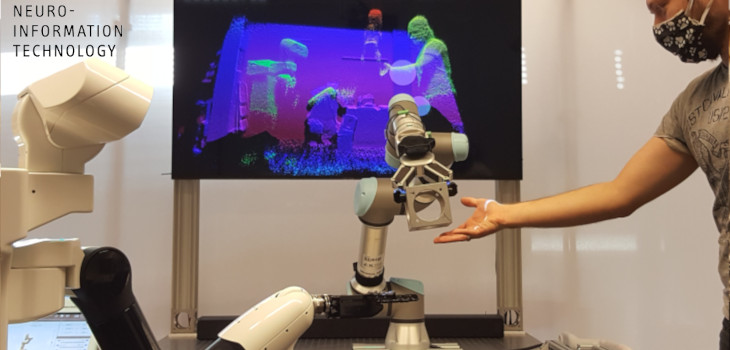
  • Human-robot collaboration in mixed-skill environments
  • AI hybrid systems in the context of productive teaming
  • Multi-robot plan recognition and organization in hybrid systems
  • Intelligent interactive assistance systems in the medical or industrial sector
  • Camera-based vital parameter estimation and lie detection
  • Object tracking, event and situation recognition
  • Emotion, gesture, and action recognition in the field of human-machine interaction
  • Handwriting recognition and interpretation in the field of content analysis


In addition to researching learning algorithms and interaction techniques, the aim is to develop versatile, sensor-based key enabling technologies for areas of application such as medicine, security, mobility, automotive, and production.
NIT Research-Cluster


NIT Research-Cluster


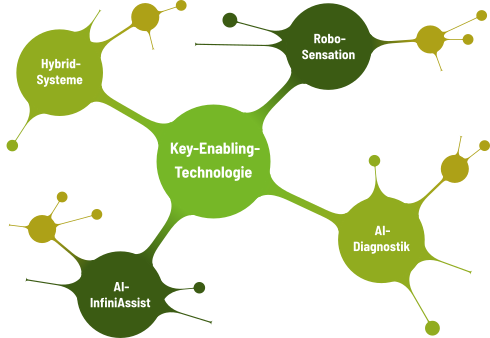
Cluster 1: RoboSensation

The Cluster RoboSensation focuses on the development of cognitive, emotional, social and motor intelligence for robotic systems to enable resilient and adaptive collaboration with humans. The aim is ...  more


Cluster 2: AI-Diagnostic

AI methods for medical diagnostics are being developed in this cluster. The focus is on multimodal sensor data fusion and machine learning for the... more 


Cluster 3: AI-InfiniAssist

AI-InfiniAssist investigates assistance systems that detect cognitive and emotional states, interpret non-verbal signals and analyze social interactions. Fields of application range from telemedicine ...  more


Cluster 4: Hybrid-Systems

This cluster deals with the seamless integration of man and machine in dynamic production environments. The aim is to ... more


Cluster 5: Key-Enabling-Technology

In this cluster, fundamental, broadly applicable technologies are developed that serve as central building blocks for a wide variety of autonomous systems. These include robust context-aware ... more

AI research infrastructure & research databases
 
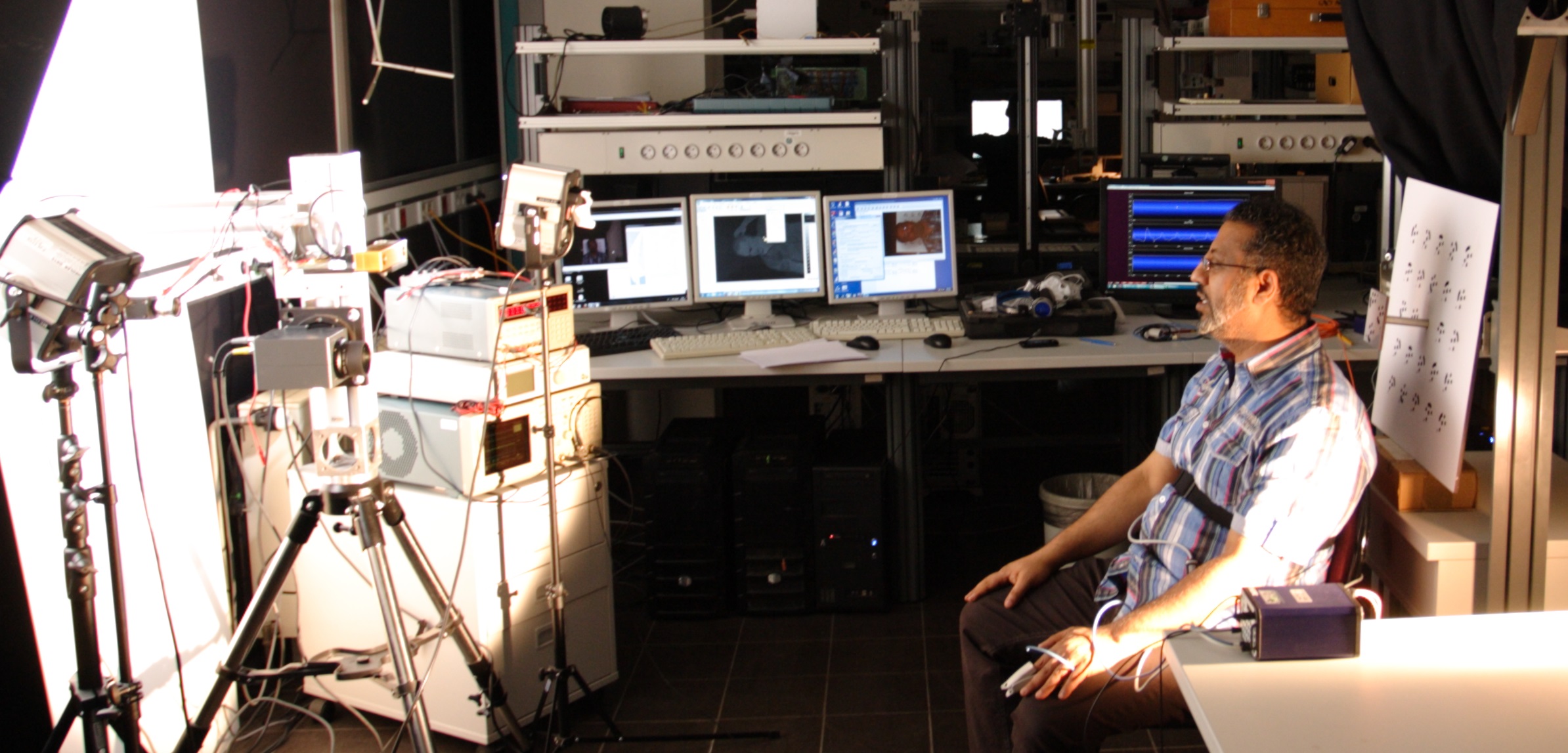
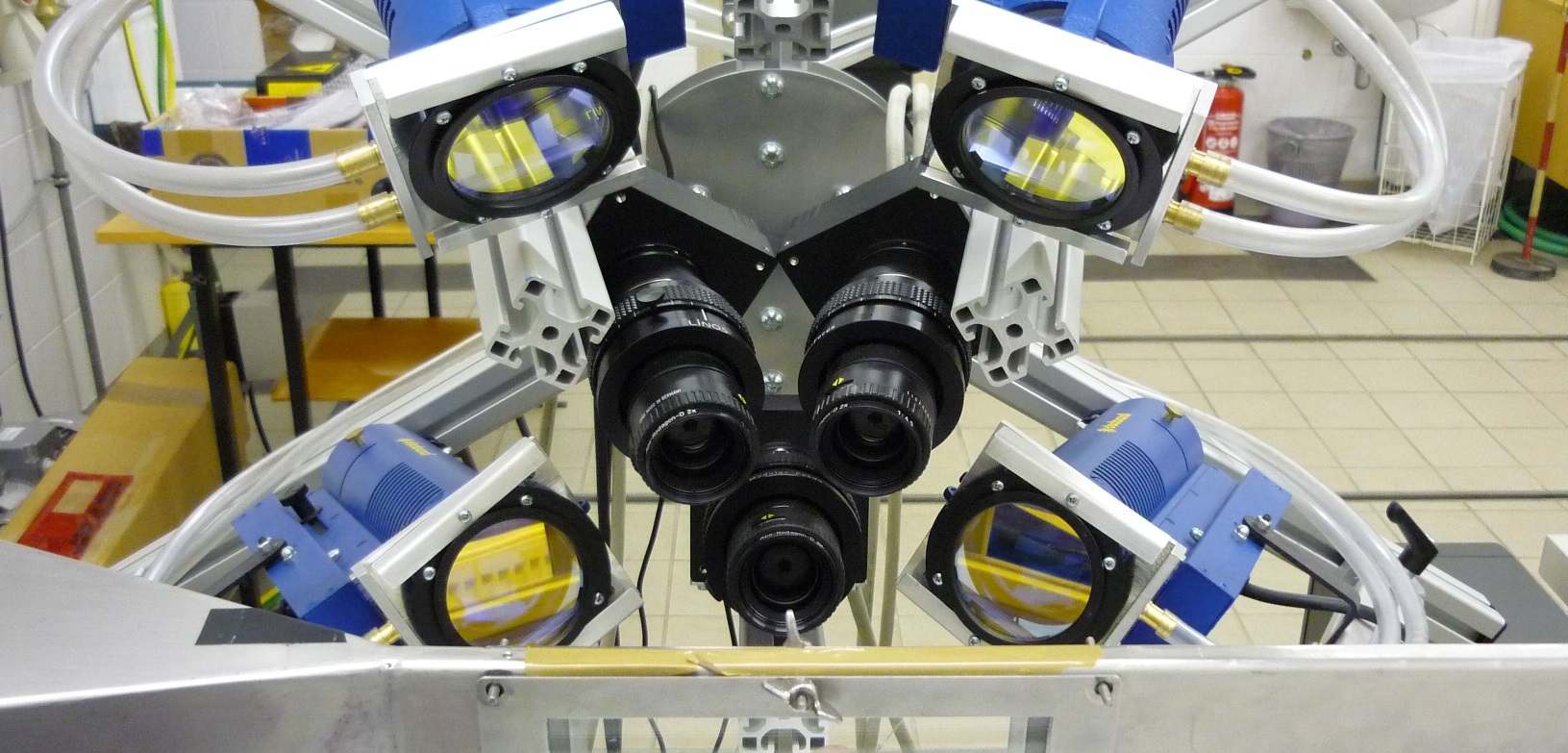
The NIT department operates state-of-the-art laboratories for research into interactive AI systems and robots. Focal points:
 
  • Emotional, social and cognitive intelligence in robotics
  • Industry 4.0/5.0 - human-machine teaming
  • Enabling technologies for adaptive assistance systems
 
Example: RoboLab - third-party funded lighthouse laboratory for cognitive robotics in Saxony-Anhalt


Publications of the NIT group

A complete list of all publications can be found using

  • Research gate of Lower-Saxony  (2000 till date)
  • Overview (inclusive publications before 2000)


Staff of Neuro-Information Technology department
Teaching
News
Student assistant jobs and theses

Last Modification: 12.03.2026 -
Contact Person: Webmaster